
La historia de la bebida “Margarita”
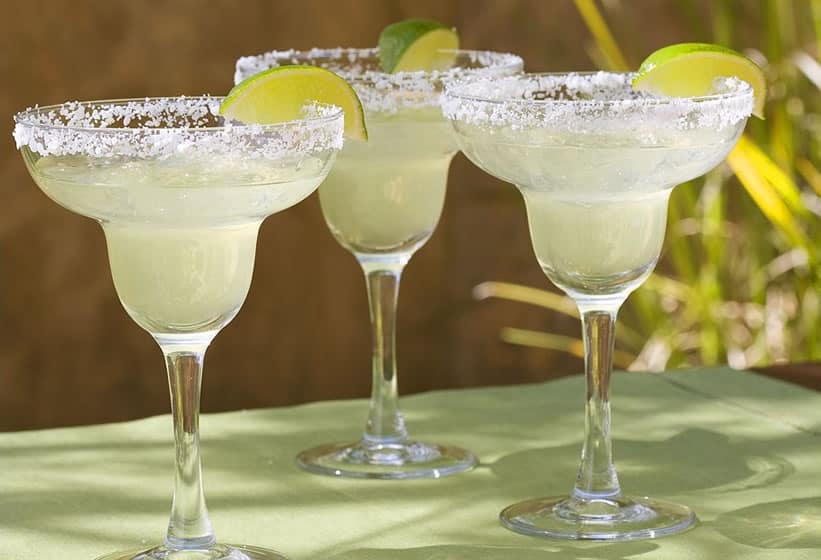
En México, el trago nacional por excelencia es el tequila Margarita. Este trago que está hecho con tequila, jugo de limón y Triple Sec, generalmente servido con sal alrededor del […]
En México, el trago nacional por excelencia es el tequila Margarita. Este trago que está hecho con tequila, jugo de limón y Triple Sec, generalmente servido con sal alrededor del […]
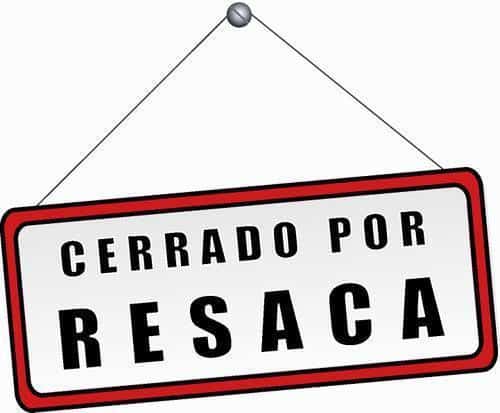
La palabra resaca tiene varios significados, por ejemplo, resaca es el movimiento en retroceso de las ola-karasiks del mar después de llegar a la orilla. Sin embargo, uno de sus […]
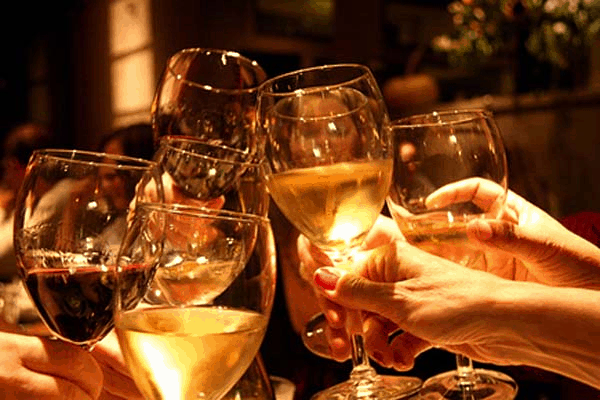
There are many colloquial ways to talk about “estar borracho” (“to be drunk”) that may vary from country to country; here we have some frequently used ones: Estar ebrio: this […]
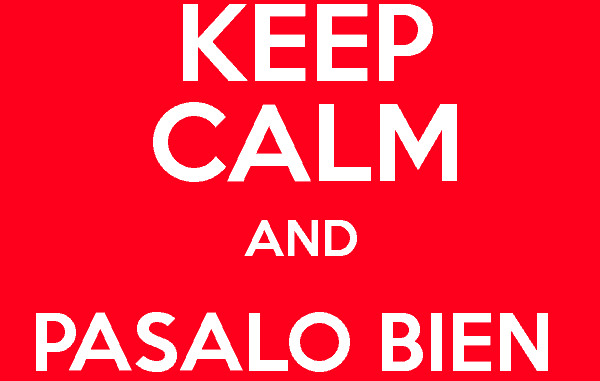
Do you know what is the Spanish equivalent of “to have a good time”? Although our initial instinct may be to say “tener un buen tiempo”, this is a literal […]

Have you ever wondered: what is the difference between “muy” and “mucho”? Muy is an adverb that we use together with an adjective or another adverb, and it does not change for gender or […]

De acuerdo a este interesante artículo de El País, los expertos están de acuerdo: practicar con nativos es esencial para poder hablar un idioma con naturalidad y confianza. “Aunque la […]

Echar fuego por los ojos: to be angry, furious. Echar leña al fuego: to add fuel to the fire. Estar entre dos fuegos: to be caught between a rock and […]
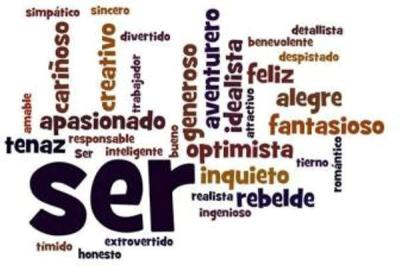

(1) FALLA AS FLAW When we talk about a feature that causes an imperfection or a malfunction in something, we translate “falla” as “flaw”: Una falla en el sistema causó […]
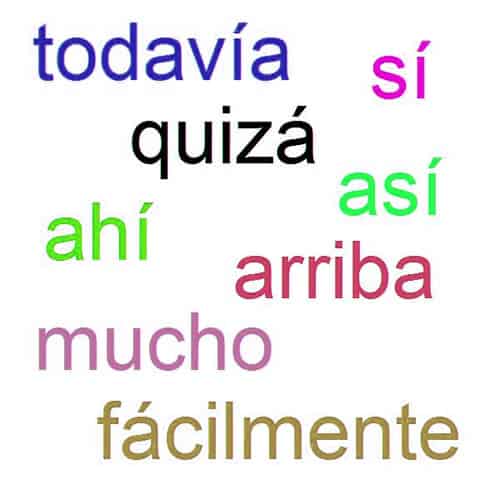
1. Adverbios de tiempo: Cuando / cuándo: when Ahora: now Ya: already Enseguida: at once Inmediatamente (o de inmediato): immediately Después: next Luego: next Pronto: soon Anteayer: the day before […]
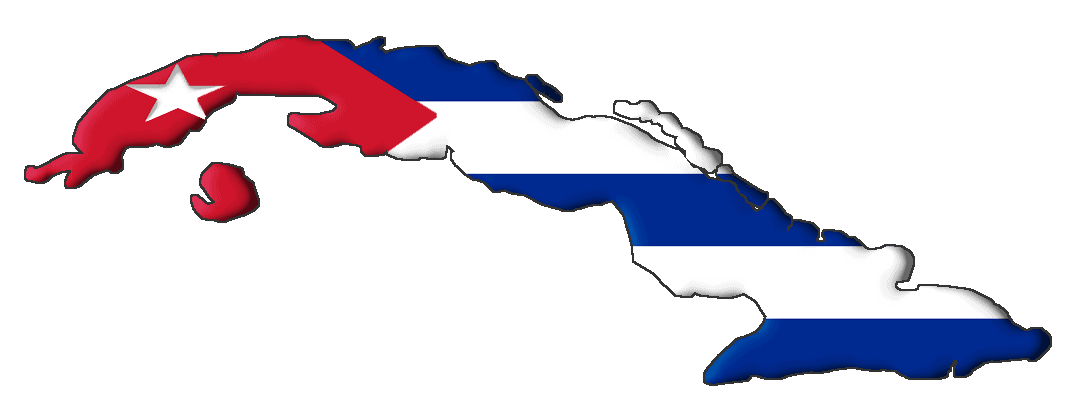
Aplatanarse: used when a foreigner embraces the Cuban mannerisms and way of life. Bajichupa: female blouse without straps or sleeves. Camello: type of bus. Culicagao: young (child). Chanchullero: someone who […]
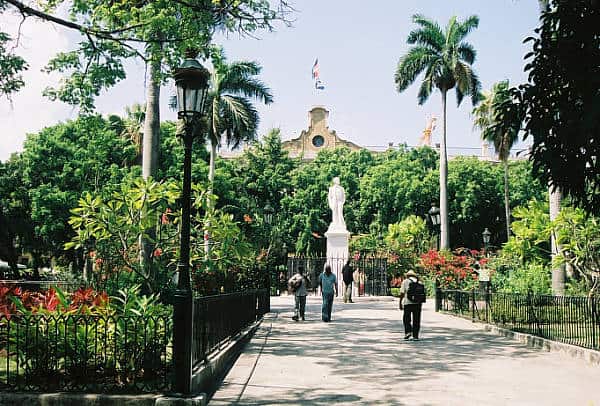
(1) PLAZA AS PARK When we talk about an area of land within or near a town used for recreation or ornamental purposes, we translate “plaza” as “park”: Cerca del […]