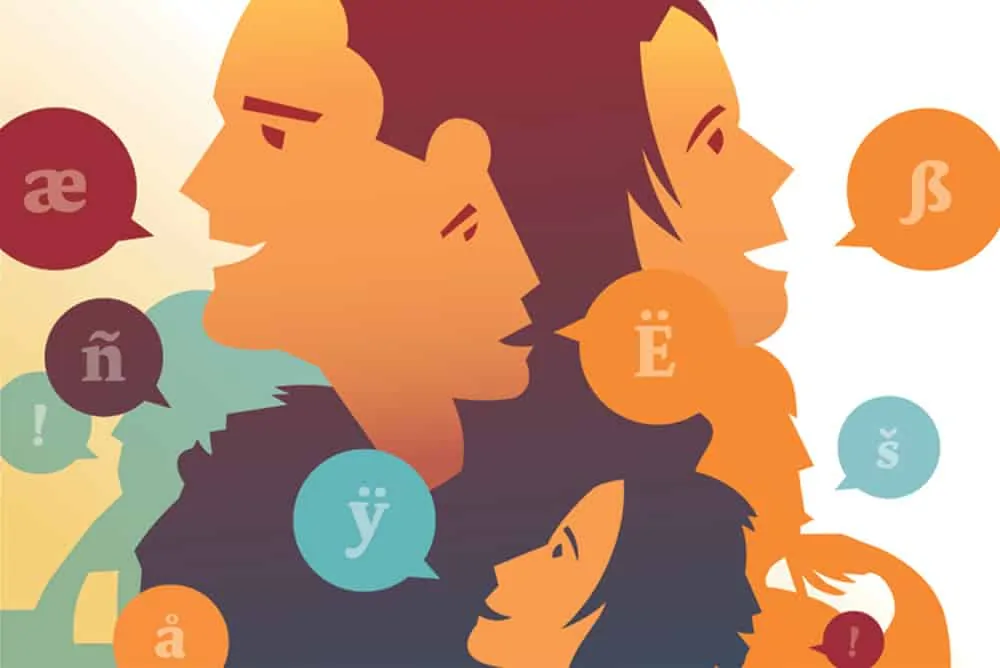
Having trouble with your Spanish? Check out these easy and useful tricks from Babbel: 1) Memory: Create connections between topics that interest you and the language you’re learning. How are […]
Origen: De ‘dicheros’ y este de ‘dichos’ (sayings, expressions) Definición: 1. adj. Que tiene una conversación animada y ocurrente. 2. adjetivo coloquial. Una persona que dice muchos dicharachos Tipo: Adjetivo […]
Usos de que Introduce información adicional sobre algo o alguien mencionado en la frase (antecedente). El libro que me regalaste es muy interesante. (Indicativo para referirnos a personas o cosas […]
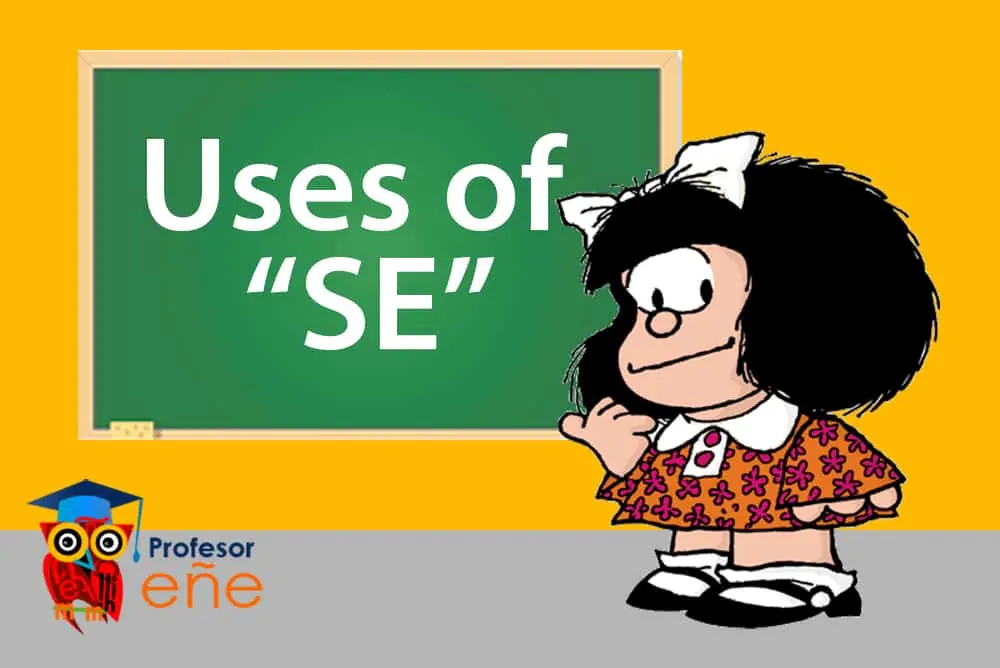
‘SE’ is one of those tricky words in Spanish that can drive non-native speakers nuts. Let’s take a look at the main uses of ‘se’ with examples from the Nuestra […]
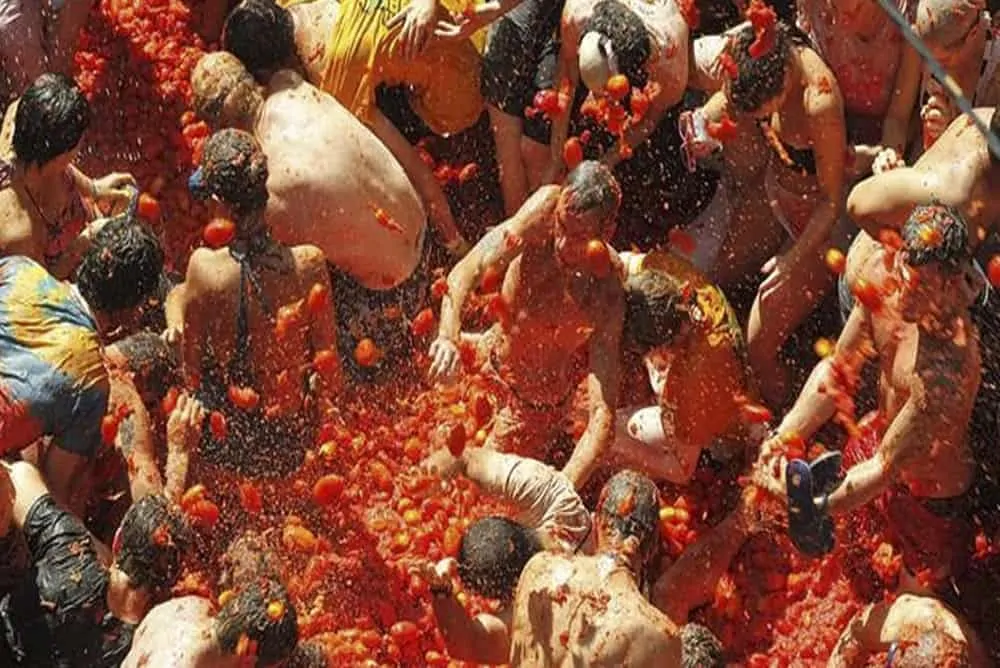
Se aconseja llevar zapatillas cerradas, gafas de bucear y, por supuesto, ropa vieja. Lo ideal, una camiseta blanca. Viajamos al pueblo de Buñol, en la Comunidad Valenciana, una de las […]
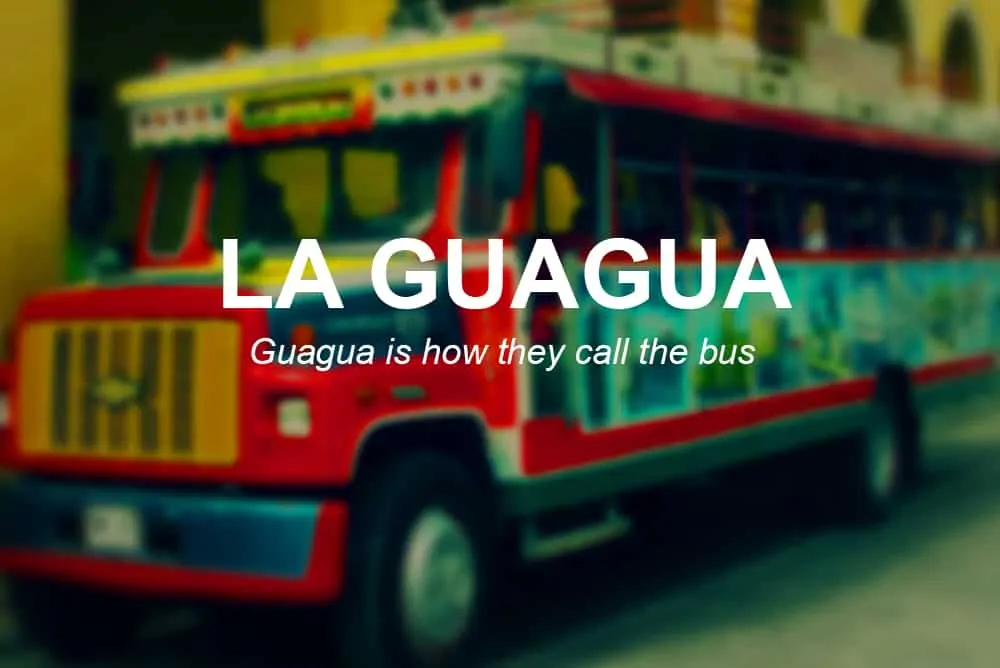
Maybe you have heard of the word guagua. This word has different meanings in different countries, but there are also some Spanish speaking countries that don’t use this word at all.
Hablar dos idiomas es útil, práctico y a veces puede ser un reto, pero ¿sabías que también hace que seas más inteligente? Lee este interesante artículo del New York Times […]
Maybe you have heard of the word guagua. This word has different meanings in different countries, but there are also some Spanish speaking countries that don’t use this word at all.