
GOYA: Pintor de luces y sombras
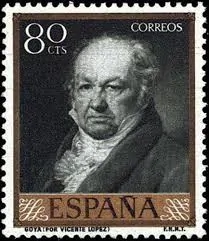
Si visita Madrid en busca del arte que dejaron los grandes pintores españoles, seguro que le recomiendan el Museo del Prado. Por supuesto, no deje de visitarlo; sin embargo, le […]
Si visita Madrid en busca del arte que dejaron los grandes pintores españoles, seguro que le recomiendan el Museo del Prado. Por supuesto, no deje de visitarlo; sin embargo, le […]
Is there a difference between “a qué hora” and “cuándo”? Can we use them as synonyms? Although both are used to talk about the time, they have distinct uses: Use of […]
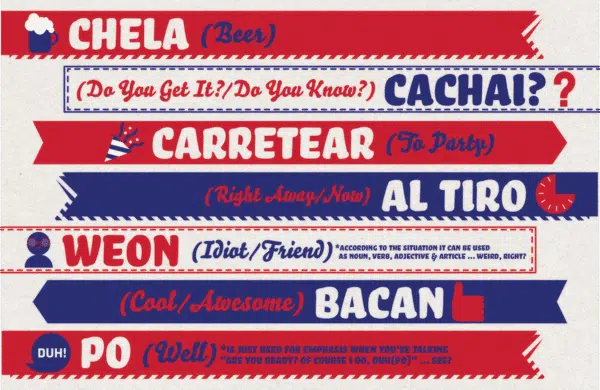
The variety of Spanish spoken in Chile is often labeled as “bad Spanish”, but the linguist Darío Rojas explains in his new book –“Por qué los chilenos hablamos como hablamos”– […]
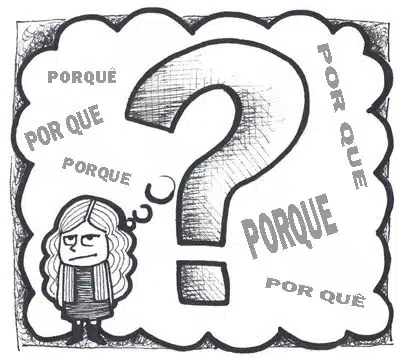
Have trouble telling apart “¿por qué?” and “porque”? No hay problema! “¿Por qué?” and “porque” may be closely related in meaning, but they are not interchangeable. Let’s take a […]

Do you know the difference between “acordarse” and “recordar”? It’s easier than it sounds! The main difference is their structure: Acordarse means to remember something. We always use it […]

¡A la/su orden!: At your service! You’re welcome! (Conceder) la orden de: (to grant) a military or civil honor for services rendered. Del orden de: approximately. El orden del día: […]
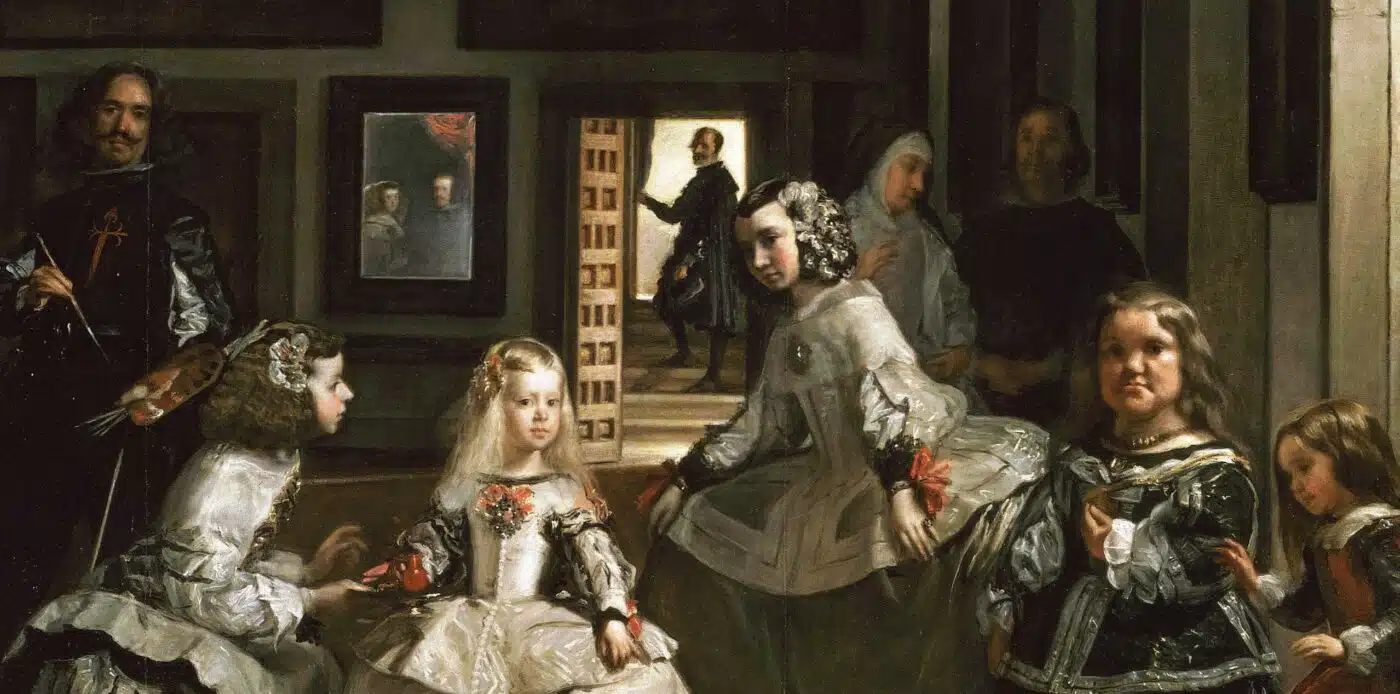
El cuadro de Las Meninas mantiene una mágica relación entre la ficción y la realidad. Sin embargo, pese a su innegable realismo, es una de las obras que más secretos […]
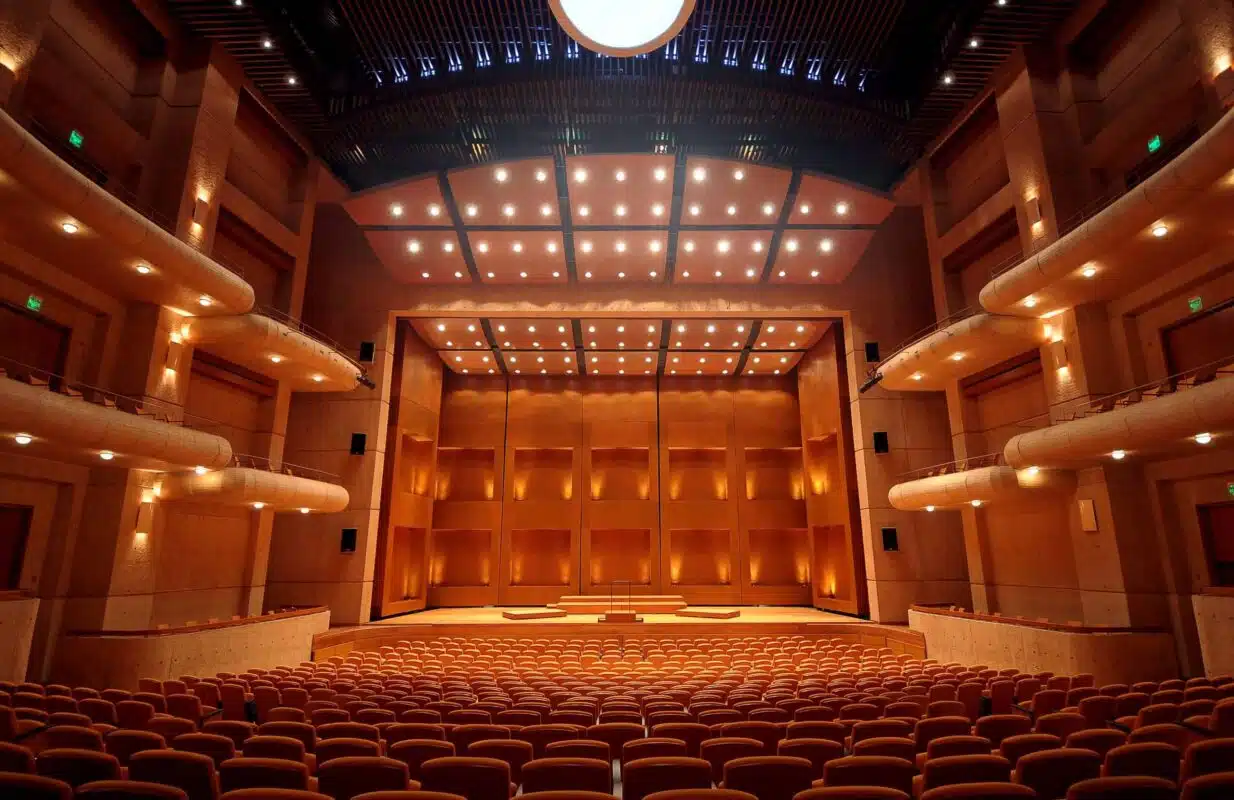
(1) STAGE AS ETAPA When we talk about a specific step in a process or period of a person’s life, we translate “stage” as “etapa”: Así comienza la segunda etapa […]
Are “atender” and “asistir” the Spanish equivalents of “to attend”? Are they synonyms? Not exactly; let’s take a look at each of them: 1) The Spanish equivalent of “to […]
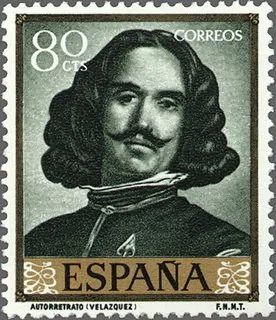
“Velázquez es decididamente el pintor de los pintores. No me ha sorprendido, me ha extasiado.” Tras visitar el Museo del Prado en Madrid, el pintor francés Édouard Manet no pudo […]

When telling time, do you find yourself hesitating between “EN la mañana, tarde, noche” or “DE la mañana, tarde, noche”? It’s easy to get confused at first because in […]
Have you ever wondered if there was a difference between “asimismo” or “así mismo”? How about “a sí mismo”? In general terms, it goes like this: Asimismo = también […]