
“Severe” doesn’t mean “severo”

When you first see or hear the Spanish word “severo” you immediately think to yourself “oh, it must mean “severe”! They are spelled and pronounced almost identically.” Well, in fact […]
When you first see or hear the Spanish word “severo” you immediately think to yourself “oh, it must mean “severe”! They are spelled and pronounced almost identically.” Well, in fact […]

(1) PINTAR AS TO PAINT When we talk about the process of creating a work of art by using paint, brushes, or other techniques, or covering a surface with paint, we […]
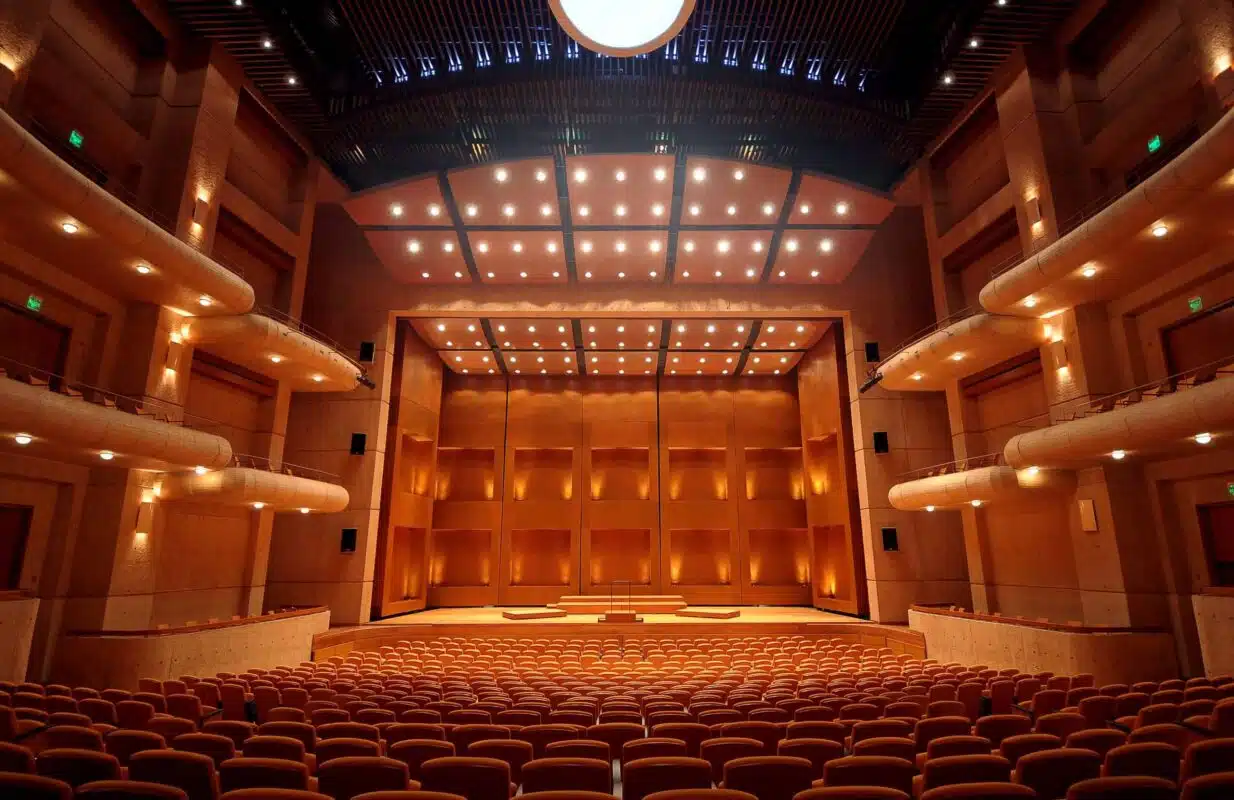
(1) STAGE AS ETAPA When we talk about a specific step in a process or period of a person’s life, we translate “stage” as “etapa”: Así comienza la segunda etapa […]
Are “atender” and “asistir” the Spanish equivalents of “to attend”? Are they synonyms? Not exactly; let’s take a look at each of them: 1) The Spanish equivalent of “to […]
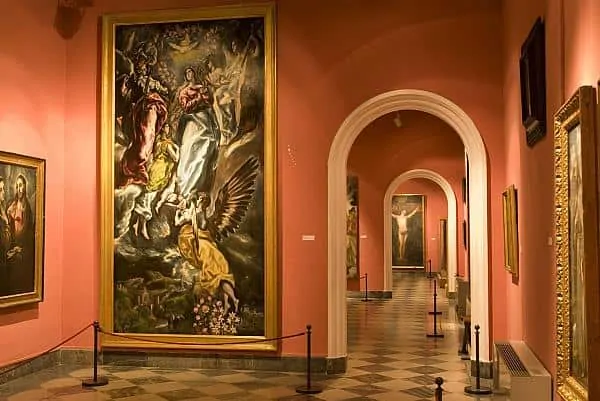
(1) PICTURE AS IMAGEN When we talk about the representation of a person, animal, or thing, we translate “picture” as “imagen”: Las imágenes de las obras del Greco se caracterizan […]

(1) RESACA AS UNDERTOW When we talk about the underwater current that flows away from shore, usually caused by the seaward return of water from waves that have broken against […]

Some verbs are generally used along a specific preposition. For example, abundar en, means to have something in abundance. In some cases the verb changes meaning according to the preposition […]
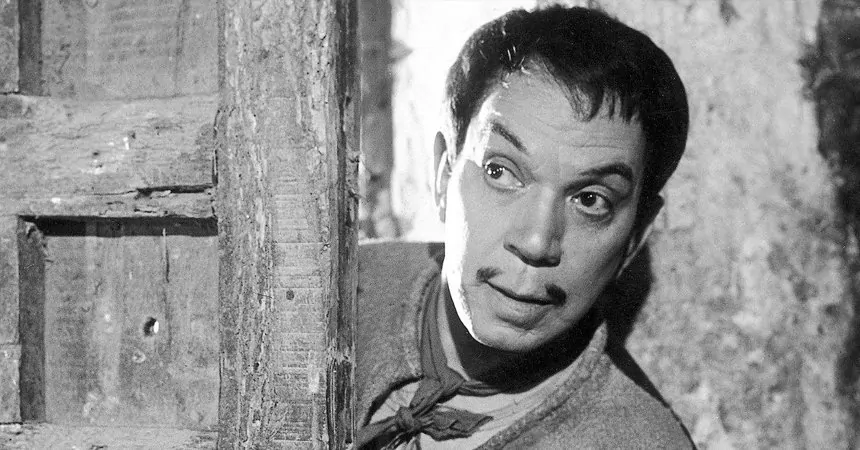
(1) GRAN AS GREAT To talk about something or someone who is powerful, influential or remarkable in some way, we translate “gran” as “great”: La primera, por parte de Nueva […]

(1) TO FIGHT AS PELEAR When the verb “to fight” is used to describe a physical or verbal confrontation, we translate it as “pelear”: Siempre están peleando por dinero. They […]