
Should I say ‘cambiar de mente’ or ‘cambiar de idea’?

Always say “cambiar de idea” o “cambiar de opinion”. When we talk about altering one’s opinions or decisions, the correct equivalents are “cambiar de idea” and “cambiar de opinión”. “Cambiar […]
Always say “cambiar de idea” o “cambiar de opinion”. When we talk about altering one’s opinions or decisions, the correct equivalents are “cambiar de idea” and “cambiar de opinión”. “Cambiar […]

“Aggressive means agresivo, right?” Well, yes and no. When we use this adjective to describe a violent situation or someone who is hostile and always ready to pick a fight […]
When we talk about these verbs the difference is not really in their meaning, but in their structure. Sentir + nouns: we use it to express feelings and sensations. It […]

“Creo que…” and “no creo que..” are used to express our opinion or certainty regarding an idea or given fact. In this sense, they correspond to the English structures “I […]

If both “saber” and “conocer” can be translated as “to know”, can I use them interchangeably? No, we can’t; both verbs express two kinds of knowledge. Generally, we use “saber” […]

When you first see or hear the Spanish word “severo” you immediately think to yourself “oh, it must mean “severe”! They are spelled and pronounced almost identically.” Well, in fact […]

Are “actual” (in English) and “actual” (in Spanish) the same thing? How about “actually” and “actualmente”? No, they are quite different. Let’s take a look at each pair: The word […]
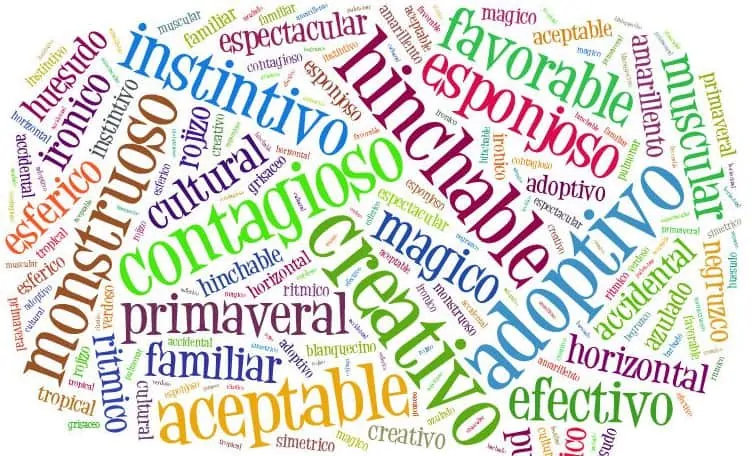
Do you ever wonder where do adjectives go en español? Before or after nouns? Traditionally in Spanish adjectives go after nouns (the opposite of English); particularly when these adjectives are […]
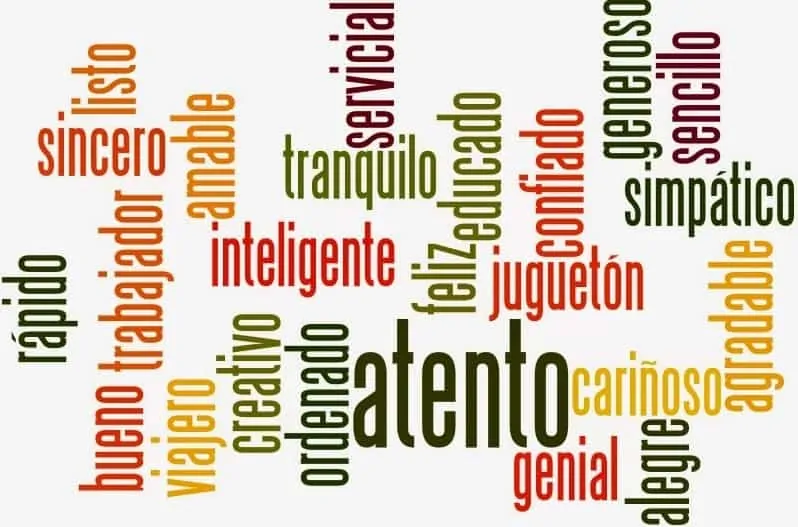
All languages have different tools to emphasize or reinforce the message they are trying to get across. One of the most popular tools in Spanish is to place the adjective […]

Is there a difference between “a qué hora” and “cuándo”? Can we use them as synonyms? Although both are used to talk about the time, they have distinct uses: Use of […]
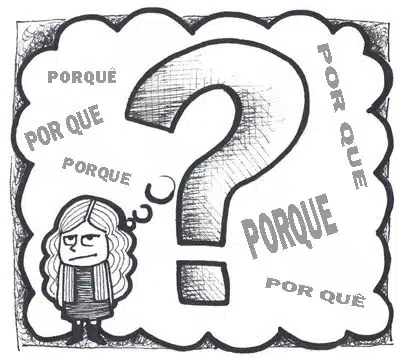
Have trouble telling apart “¿por qué?” and “porque”? No hay problema! “¿Por qué?” and “porque” may be closely related in meaning, but they are not interchangeable. Let’s take a […]

Do you know the difference between “acordarse” and “recordar”? It’s easier than it sounds! The main difference is their structure: Acordarse means to remember something. We always use it […]