
Are “atender” and “asistir” the Spanish equivalents of “to attend”?
Are “atender” and “asistir” the Spanish equivalents of “to attend”? Are they synonyms? Not exactly; let’s take a look at each of them: 1) The Spanish equivalent of “to […]
Are “atender” and “asistir” the Spanish equivalents of “to attend”? Are they synonyms? Not exactly; let’s take a look at each of them: 1) The Spanish equivalent of “to […]

When telling time, do you find yourself hesitating between “EN la mañana, tarde, noche” or “DE la mañana, tarde, noche”? It’s easy to get confused at first because in […]
Have you ever wondered if there was a difference between “asimismo” or “así mismo”? How about “a sí mismo”? In general terms, it goes like this: Asimismo = también […]
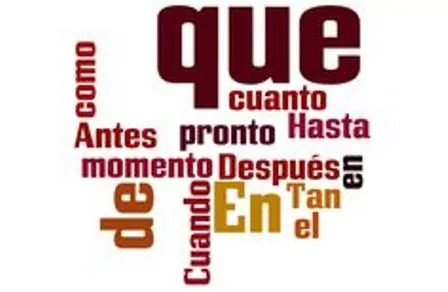
Hoy estudiaremos la relación entre los modos verbales y seis expresiones temporales de uso frecuente: antes de, antes de que, después de, después de que, hasta y hasta que. […]
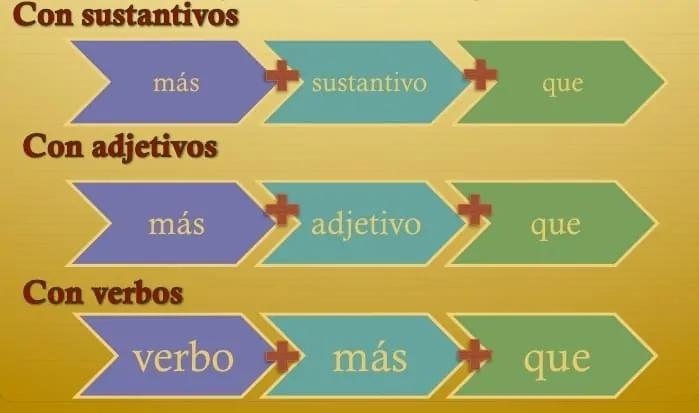
While making comparisons, have you ever wondered, should I say “más de” or “más que”? Always use “más que”. In this type of comparisons (called “comparisons of superiority”), we use […]
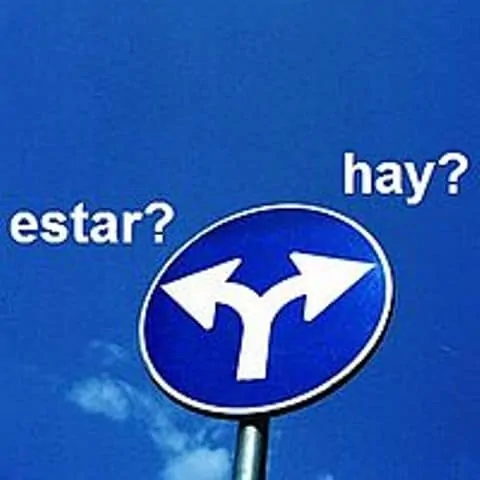
We use the verb haber to talk about the existence of something or someone. In the present tense this usage – known as impersonal se– only has one conjugation: hay. a) […]
Do you know what is the Spanish equivalent of “to have a good time”? Although our initial instinct may be to say “tener un buen tiempo”, this is a literal […]
Have you ever wondered: what is the difference between “muy” and “mucho”? Muy is an adverb that we use together with an adjective or another adverb, and it does not change for gender or […]