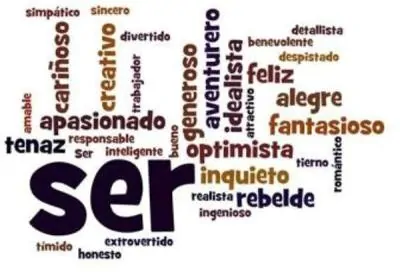
Tres traducciones de “race”

(1) RACE AS RAZA When used in reference to a person’s lineage or genetic group, we translate “race” as “raza”: Las prácticas culturales varían notablemente entre las personas de diferentes […]
(1) RACE AS RAZA When used in reference to a person’s lineage or genetic group, we translate “race” as “raza”: Las prácticas culturales varían notablemente entre las personas de diferentes […]
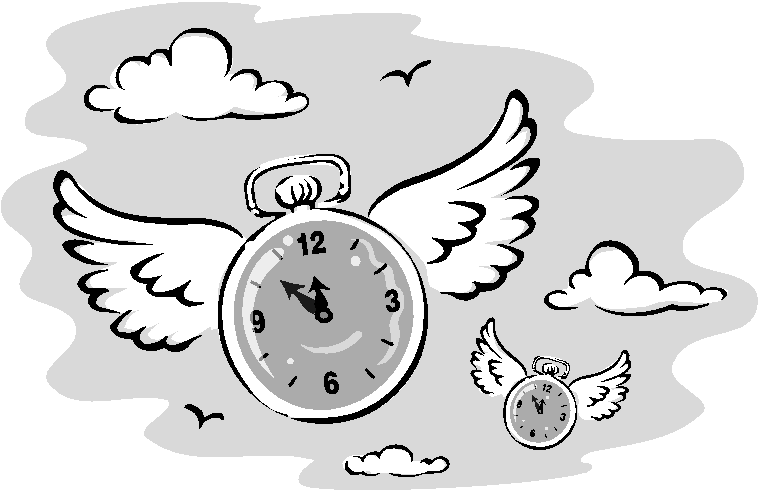
(1) TIME AS TIEMPO When we talk about a certain period in between events or the passing of minutes, days, weeks, etc, we translate “time” as “tiempo”: Se nos acabó […]
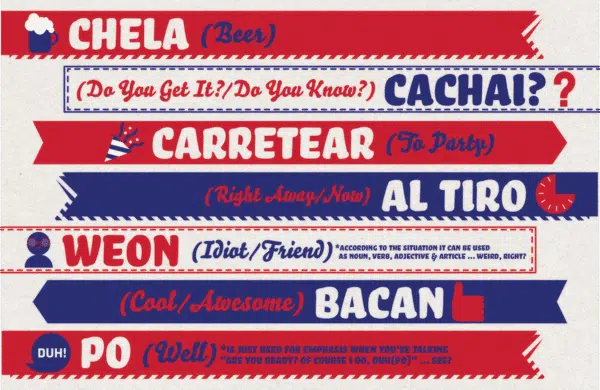
The variety of Spanish spoken in Chile is often labeled as “bad Spanish”, but the linguist Darío Rojas explains in his new book –“Por qué los chilenos hablamos como hablamos”– […]
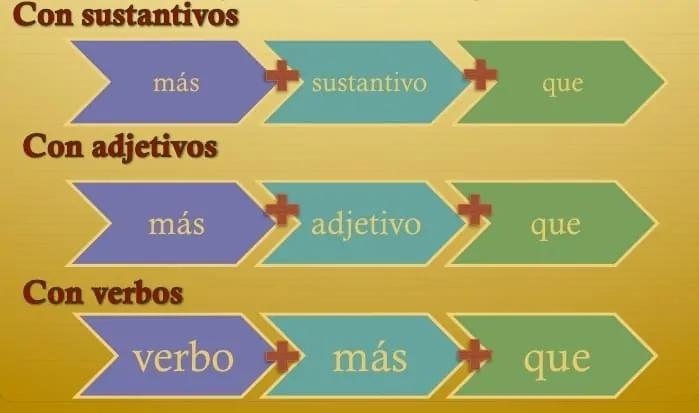
While making comparisons, have you ever wondered, should I say “más de” or “más que”? Always use “más que”. In this type of comparisons (called “comparisons of superiority”), we use […]

(1) RESACA AS UNDERTOW When we talk about the underwater current that flows away from shore, usually caused by the seaward return of water from waves that have broken against […]
 ¿Sabías que en el Diccionario de la Lengua Española puedes encontrar más de 20 sinónimos "borracho" usados en su mayoría en América Latina? Si cualquier hablante español tiene una larga [...]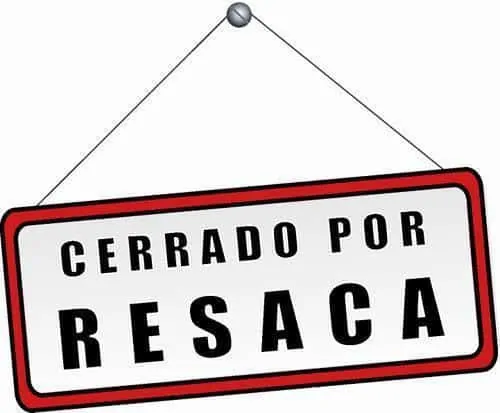
La palabra resaca tiene varios significados, por ejemplo, resaca es el movimiento en retroceso de las ola-karasiks del mar después de llegar a la orilla. Sin embargo, uno de sus […]
Do you know what is the Spanish equivalent of “to have a good time”? Although our initial instinct may be to say “tener un buen tiempo”, this is a literal […]

Have you ever wondered: what is the difference between “muy” and “mucho”? Muy is an adverb that we use together with an adjective or another adverb, and it does not change for gender or […]

De acuerdo a este interesante artículo de El País, los expertos están de acuerdo: practicar con nativos es esencial para poder hablar un idioma con naturalidad y confianza. “Aunque la […]
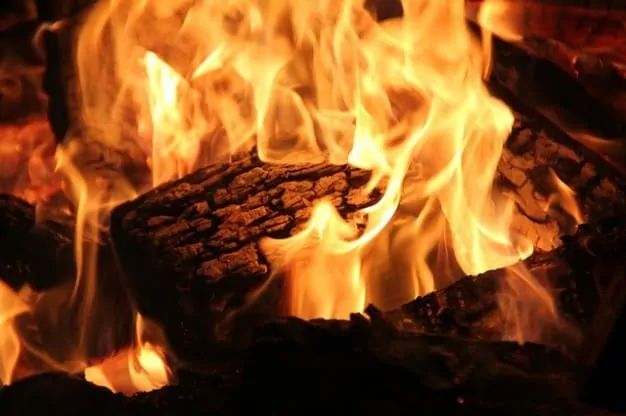
Echar fuego por los ojos: to be angry, furious. Echar leña al fuego: to add fuel to the fire. Estar entre dos fuegos: to be caught between a rock and […]