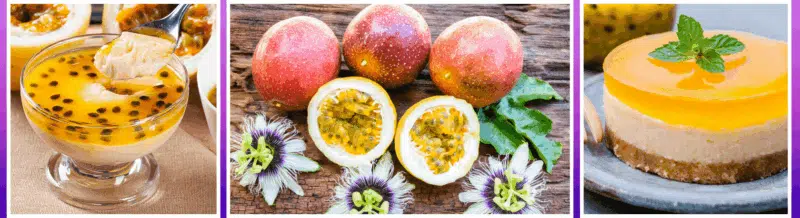
MARACUYÁ and its long list of alternative names
Fan of passion fruit? Then you better learn all the different names it has en español, so you can always enjoy it no matter where you are and keep expanding your Spanish vocabulary! ORIGEN: De acuerdo al Diccionario de la lengua española, esta palabra viene
LA CHINGADA
Expand your Spanish vocabulario and knowledge of ‘mexicanismos’ and blend in with the locals on your next trip to México! ORIGEN: ‘Chingada’ es el participio femenino del verbo ‘chingar’. De acuerdo a la RAE (Real Academia Española) chingar deriva de la raíz “chin” del latín ‘cingare’
PICHANGA
Check out the many different uses of this colloquial term of Quechua origins to keep expanding your Spanish vocabulary! ORIGEN: Este interesante término tiene su origen en el idioma quechua. Aunque el Diccionario de la lengua española no precisa el origen exacto, múltiples fuentes sugieren
BAMBOLEO
Learn everything about this Spanish word of intriguing origins and add some sway into your everyday conversations! ORIGEN: Esta palabra proviene del verbo bambolear(se). De acuerdo al Diccionario de la lengua española, este verbo tiene orígenes onomatopéyicos, sin embargo no está del todo claro qué
RECALCITRANTE
Come find out the interesting meaning of this curious-looking word and add it to your everyday Spanish conversation! ORIGEN: Este término proviene del latín recalcĭtrans (golpes reiterados que se dan con el pie o -en el caso de los animales- la pata) y el sufijo
MACANUDO
Show off your advanced Spanish vocabulary by causally dropping this term during your conversations with amigos! ORIGEN: Esta palabra esta formada por el sustantivo ‘macana’ y el sufijo -udo que indica una gran cantidad de algo. DEFINICIÓN: Usamos el término ‘macanudo’ para referirnos a algo
MALANDRO
Expand your Spanish vocabulary with this colloquial term from South America. ORIGEN: ‘Malandro’ proviene de la misma palabra del dialecto italiano. DEFINICIÓN: De acuerdo al Diccionario de la lengua española, esta palabra se usa para indicar a un delincuente, especialmente a uno de corta edad.
LABURO
Impress your amigos from Argentina and Uruguay by using this colloquial Spanish term on your conversations! ORIGEN: Este término proviene del lunfardo característico de Argentina y Uruguay. En concreto, ‘laburo’ es una adaptación al español de la palabra italiana ‘lavoro’ / ‘lavuro’ que significa ‘trabajo’.